Why Non-Diabetics Are Wearing Glucose Monitors
A few years ago, continuous glucose monitors (CGMs) were strictly medical devices for type 1 and type 2 diabetics. Now? You’ll find them on biohackers, athletes, and anyone serious about understanding their metabolic response to food.
The shift makes sense. A CGM doesn’t diagnose disease—it provides real-time data about how your body responds to meals, exercise, sleep, and stress. That information is genuinely useful, especially if you’re struggling with energy crashes, brain fog, or stubborn fat loss.
But here’s the thing: just strapping on a monitor doesn’t make you metabolically optimized. You need a framework for interpretation. Most people get a CGM, watch their glucose spike after pasta, panic, and then abandon it. This post walks you through how to actually use one.
What You’re Actually Measuring
Your blood glucose is measured in mg/dL (or mmol/L in some regions). A healthy fasting glucose sits between 70-100 mg/dL. After you eat, it rises—that’s normal. The question is: how much, how fast, and how long does it take to return to baseline?
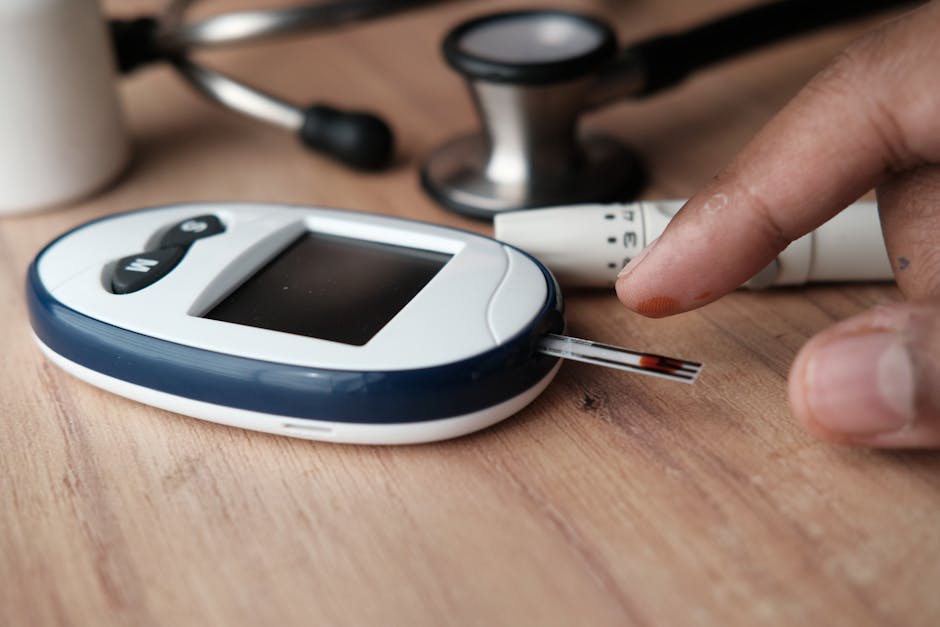
A CGM measures interstitial glucose every 5-15 minutes depending on the device. That’s the glucose in fluid between cells, which lags blood glucose by about 10-15 minutes. It’s not perfectly accurate for acute hypoglycemia, but it’s excellent for tracking patterns over weeks.
The practical value isn’t in absolute numbers. It’s in discovering which foods, combinations, timing, and activities drive your personal glucose response. Your response to rice might be wildly different from someone else’s. A CGM shows you yours.
The Glycemic Variability Problem
High blood sugar is bad. Stable blood sugar is good. But there’s a third variable most people miss: how much your glucose fluctuates throughout the day. Even if your average is normal, wild swings stress your metabolic system.
CGMs reveal this variability clearly. You might notice your glucose swings 40-50 mg/dL in an hour after breakfast, then another 50 mg/dL drop two hours later. That roller coaster drives hunger, brain fog, and fatigue. Different food combinations can smooth that out dramatically.
Choosing the Right CGM Device
Three devices dominate the non-diabetic market: Freestyle Libre, Dexcom G7, and Eversense. Here’s what actually matters:
| Device | Wear Time | Cost (approx.) | Accuracy | Real-Time App |
|---|---|---|---|---|
| Freestyle Libre 2 | 14 days | $60-75 per sensor | Good (±8-12%) | Requires scan |
| Dexcom G7 | 10 days | $300-400/month | Excellent (±7-9%) | Yes, continuous |
| Eversense XL | 180 days | $250-350/month | Excellent (±9%) | Yes, continuous |
For most non-diabetics, the Freestyle Libre is the entry point. It’s affordable, accurate enough for pattern recognition, and you wear it for two weeks. If you’re serious about metabolic optimization, Dexcom’s continuous real-time alerts are worth the premium.
Don’t overthink device selection. Pick one and commit to 2-4 weeks minimum. Single-day experiments with a CGM are mostly useless.
Insurance and Cost Reality
Insurance rarely covers CGMs for non-diabetics. Out of pocket, you’re looking at $60-100 per two-week sensor, or $150+ monthly for real-time Dexcom data. That’s not nothing.
If cost is tight, do a 2-4 week experiment with Freestyle Libre (roughly $250-300 total), extract your learnings, then stop. You don’t need continuous monitoring forever—you need enough data to change your behavior permanently.
Running an Effective CGM Experiment
The Baseline Phase (Week 1)
Eat normally. Don’t optimize. Just observe. Your job is to establish what your baseline glucose patterns look like—what time you spike, what your fasting glucose typically is, whether you have nocturnal dips.
Log everything you eat with timestamps. Use a basic spreadsheet or the CGM app’s notes feature. Don’t obsess about macros yet. Just document: meal time, food description, portion size roughly.
After three days of baseline data, patterns start emerging. You’ll probably notice: refined carbs spike you harder than whole grains, eating protein+fat with carbs blunts the response, skipping breakfast leads to afternoon crashes, or evening cortisol drives a glucose rise at 8 PM despite no food.
The Testing Phase (Weeks 2-4)
Now systematically test variables. Change one thing at a time, hold it for 3-5 days, then review the data.
Test examples:
- Swap white bread for sourdough at lunch. Track glucose response for 3 days.
- Add a 10-minute walk after meals. Compare glucose peaks before and after.
- Eat breakfast vs. skip breakfast. Compare energy and afternoon glucose patterns.
- Take a magnesium supplement before bed. Track nocturnal glucose stability.
- Front-load protein and fat before carbs. Compare post-meal response to carbs-first eating.
The goal isn’t perfection. It’s identifying 2-3 practical changes that visibly improve your glucose stability. Maybe you discover that eating carbs after protein drops your peak by 25 mg/dL. That’s a win you can sustain.
Key Metrics to Track
Your CGM app will show graphs. Know what to look for:
- Fasting glucose: Should be 70-100 mg/dL. If consistently above 100, metabolic flexibility is compromised.
- Postprandial peak: Peak glucose after a meal. Ideally stays below 140 mg/dL for non-diabetics.
- Time to return to baseline: How many minutes until glucose returns to pre-meal level. Faster is better. Should be 2-3 hours for most meals.
- Glycemic variability: Dexcom reports this as CV (coefficient of variation). Below 30% is stable, above 40% indicates significant fluctuation.
- Area under the curve (AUC): The total glucose exposure from a meal. Lower is better.
Don’t obsess about one metric. Focus on: Do I feel better? Do I have more energy? Is my brain clearer? That’s the real test.
Common Patterns and What They Mean
The Afternoon Slump
Glucose crashes from 120 to 75 mg/dL around 3 PM, triggering fatigue and sugar cravings. Usually caused by a carb-heavy lunch without adequate protein or fat. Fix: add 20-30g protein and healthy fat to lunch, or split lunch into two smaller balanced meals.
The Morning Spike
Wake up with fasting glucose around 105 mg/dL despite not eating overnight. Or glucose spikes after breakfast before dropping. First scenario suggests impaired fasting glucose (common, often reversible with sleep and stress management). Second scenario is normal—but if the spike exceeds 160 mg/dL or takes 4+ hours to resolve, your carb tolerance is lower than you think. Reduce breakfast carbs or add more fat/protein.
The Nocturnal Rise
Glucose climbs 20-30 mg/dL between midnight and 6 AM without eating. Caused by cortisol release and hepatic glucose output during sleep. Usually benign. If it’s extreme (rising from 85 to 140), check sleep quality, stress levels, and evening carb intake. Late-night eating, especially sugar, makes this worse.
Stable All Day, Then Crashes at 8 PM
You’re insulin-sensitive in the morning, but evening cortisol and reduced activity lower insulin sensitivity. Your body can’t dispose of glucose as efficiently. Solution: lighter carbs in evening, more movement after dinner, or consider magnesium glycinate before bed (supports sleep quality and glucose metabolism).
Real-World Application: Building Your Protocol
Once you’ve gathered 3-4 weeks of data, you should have enough to design your personal protocol. This isn’t about restriction—it’s about baseline metabolic optimization.
Sample Protocol from CGM Data
Hypothetical person learns: refined carbs spike them hard, protein+fat buffer is powerful, evening activity matters. Their protocol becomes:
- Breakfast: 2-3 eggs, vegetables, 1 slice whole grain toast with butter. Skip juice.
- Lunch: Protein source (chicken, fish, tofu), lots of vegetables, olive oil dressing. Include carbs only if whole grain or legume-based.
- Afternoon snack: Nuts, cheese, or Greek yogurt. No crackers solo.
- Dinner: Same as lunch. No eating after 8 PM.
- Daily habit: 10-minute walk after lunch and dinner.
That protocol came from data, not dogma. It’s specific to that person’s glucose response. Your protocol will look different.
What Happens After the Experiment Ends
Most people stop wearing a CGM after 4 weeks. Should you keep going? Only if you’re still learning something new. Once patterns stabilize and your energy improves, the novelty wears off and usefulness drops.
But here’s the key: the habits you build during those weeks stick. You’ve trained yourself to understand your body’s response. You’ll naturally gravitate toward foods and timing that felt good. The CGM was the tool; behavior change is the outcome.
Some people benefit from a 1-week check-in quarterly. Wear it for 7 days every 3 months to catch metabolic drift (e.g., your tolerance for carbs decreasing over time) or verify that new habits are working.
Potential Pitfalls and Realistic Expectations
Expect the first week to feel revelatory and overwhelming. You’ll see glucose spikes that shock you. That’s normal. Your previous assumption was “this meal seems healthy,” not “this meal produces a 60 mg/dL spike in 15 minutes.”
Don’t become neurotic about every single point. A 140 mg/dL peak after a meal isn’t a disaster. Chronic post-meal glucose above 180 mg/dL is the actual concern. CGM data can be obsessive-making; set boundaries.
Also: CGMs aren’t perfect. They lag blood glucose, they have ±10-15% accuracy variance, and sensor placement affects readings. If something seems wildly off, verify with a fingerstick glucose meter. Don’t make decisions based on a single data point.
And understand this—glucose response depends on sleep, stress, menstrual cycle (for women), exercise timing, and individual differences. The same meal produces different responses on different days. CGMs show averages and patterns, not absolute rules.
The Bottom Line for Non-Diabetic CGM Use
A CGM is a feedback tool, not a diagnostic device. It doesn’t diagnose anything. It reveals your metabolic response patterns with clarity that guessing never can.
For metabolic optimization, that data is genuinely valuable for 3-4 weeks. After that, consistency matters more than measurement. Track your energy and cognition. If those improve with the protocols you’ve built, you’ve won.
Cost-benefit analysis: $250-400 to optimize your metabolic health for years? That’s reasonable. Wearing one forever and obsessing about every glucose value? That’s a waste of money and mental energy.
Get a CGM, run the experiment seriously, extract the learnings, and move on to building habits. That’s how you actually use this technology.
This article is for informational purposes only and does not replace professional medical advice. Always consult a qualified healthcare provider before making health-related decisions.