What Are FODMAPs and Why They Matter for IBS
FODMAPs stand for Fermentable Oligosaccharides, Disaccharides, Monosaccharides, and Polyols. That’s a mouthful. Essentially, they’re specific carbohydrates that your small intestine doesn’t absorb well, and your colon ferments them instead. The result? Bloating, gas, cramping, and altered bowel movements.
Here’s the thing: having IBS doesn’t mean you have a broken gut. It means your gut is hypersensitive to normal amounts of gas and fluid distension. A 2017 meta-analysis published in Gastroenterology found that 75% of IBS patients experienced meaningful symptom improvement on a low-FODMAP diet. That’s not placebo territory—that’s reproducible clinical benefit.
The mechanism is straightforward. When FODMAPs reach your colon undigested, bacteria ferment them rapidly. This produces hydrogen, methane, and CO2—gas that stretches your intestinal walls. If you’ve got visceral hypersensitivity (which most IBS sufferers do), even normal amounts of distension trigger pain signals. Low-FODMAP eating reduces the substrate available for fermentation, so less gas gets produced in the first place.
But here’s what most people get wrong: it’s not a permanent diet. It’s a strategic elimination protocol with a reintroduction phase. You’ll use it to identify your specific triggers, then gradually expand your food choices back.
The Three-Phase Protocol: How to Actually Implement This
Phase 1: Strict Elimination (4-8 Weeks)
Your goal here is symptom control. Remove all high-FODMAP foods and eat exclusively low-FODMAP options. Yes, it’s restrictive. No, you won’t stay here forever. The elimination phase typically lasts 4-8 weeks, though some people see improvement within 2-3 weeks.
Common high-FODMAP culprits include:
- Wheat and rye products (bread, pasta, cereals)
- Onions, garlic, and shallots
- Apples, pears, stone fruits, and dried fruits
- Honey, high-fructose corn syrup, and many processed foods
- Beans and lentils
- Cashews and pistachios
- Lactose-containing dairy (milk, regular yogurt)
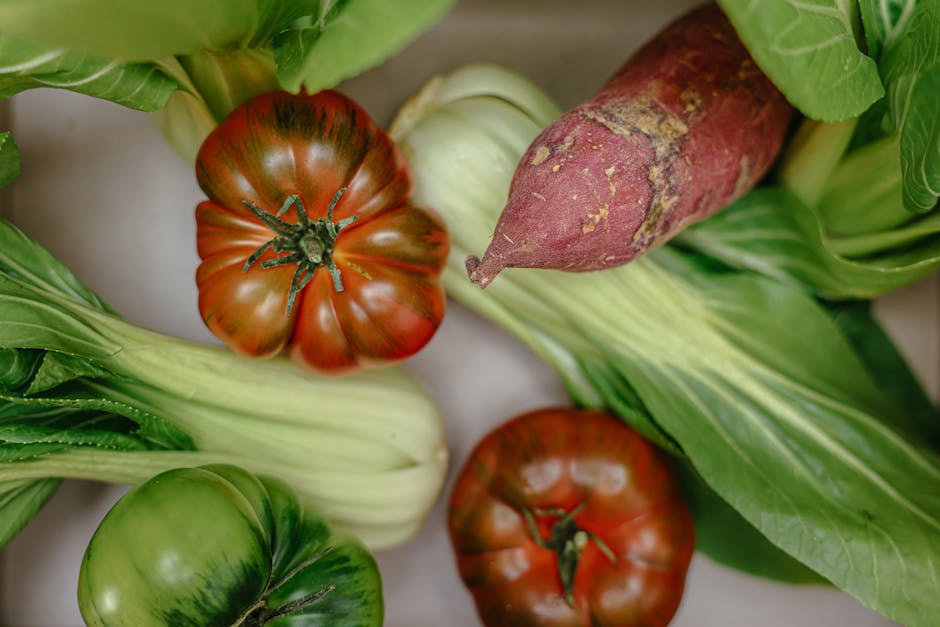
What can you eat? Rice, oats, gluten-free bread, carrots, green beans, cucumbers, bananas, blueberries, strawberries, chicken, fish, eggs, cheese, lactose-free dairy, and most fats and oils. It’s not glamorous, but it’s livable.
The research is clear on this phase. A 2016 randomized controlled trial in The American Journal of Gastroenterology showed that 76% of IBS patients randomized to low-FODMAP experienced symptom improvement compared to 54% on standard dietary advice. The effect size matters.
Phase 2: Systematic Reintroduction (6-8 Weeks)
Once your symptoms settle, reintroduction begins. This is where precision matters. You’ll deliberately consume small amounts of one FODMAP category at a time, tracking symptoms carefully.
The typical reintroduction sequence looks like this:
| Week | FODMAP Category | Test Food | Starting Portion |
|---|---|---|---|
| 1 | Fructans | Wheat bread | 1 slice per day |
| 2 | Fructans | Onion | 1 tsp per day |
| 3 | Polyols | Apple | ¼ apple per day |
| 4 | Polyols | Avocado | ¼ avocado per day |
| 5 | Galacto-oligosaccharides | Lentils | 2 tbsp per day |
| 6 | Lactose | Milk | ¼ cup per day |
Each test lasts 3-7 days. If you don’t develop symptoms, you’ve tolerated that food. Move to the next item. If symptoms return, you’ve identified a trigger—eliminate it again and move forward.
Most people find they tolerate moderate amounts of certain FODMAPs but not others. You might do fine with wheat but react badly to garlic. Or vice versa. This individualized approach is why the low-FODMAP diet works better than generic IBS advice.
Phase 3: Personalized Maintenance
You now know your tolerance threshold for each FODMAP category. The goal is to eat the broadest diet possible while keeping symptoms manageable. This isn’t elimination anymore—it’s strategic inclusion at your personal limit.
Maybe you tolerate lactose-free yogurt but not milk. Maybe garlic powder triggers you but garlic oil doesn’t (the fructans are in the solids, not the oil). Maybe you can eat 5 blueberries but 10 pushes you over the edge. Precision beats dogma.
Why the Reintroduction Phase Matters More Than You Think
This is where most people fail. They feel good in phase 1, assume they’re cured, and never reintroduce anything. Then they end up on an unnecessarily restrictive diet for months or years. That’s not the point.
A 2020 study in Nutrients found that IBS patients who completed structured reintroduction maintained symptom improvement AND had greater dietary variety compared to those who stayed in strict elimination. More food choices. Same symptom control. That’s the win.
And here’s something nutritionists don’t always emphasize: long-term very low-FODMAP diets can alter your microbiome composition in ways that aren’t necessarily beneficial. Your colonic bacteria need fermentable substrate. If you’re eliminating FODMAPs indefinitely, you’re feeding a less diverse microbial ecosystem. The reintroduction phase restores prebiotic fibers that your microbiota actually needs.
Practical Implementation: What Actually Works
Track Honestly
You need a symptom tracking system. Not a food diary—those are subjective and unreliable. Track specific symptoms daily: bloating severity (0-10 scale), bowel movement frequency and consistency (Bristol Scale), pain levels, and gas. Use a simple spreadsheet. Note everything you ate the previous 24 hours.
Look for patterns over 5-7 days, not single meals. One bowl of pasta won’t necessarily cause symptoms—sometimes it’s cumulative load over multiple days that triggers a flare.
Use Reliable Food Lists
Not all apps and websites agree on FODMAP content. Use evidence-based sources: Monash University’s FODMAP app (the gold standard), or the King’s College London app. These are maintained by the researchers who developed the protocol.
Don’t rely on generic “IBS diet” lists from supplement companies or wellness influencers. They’ll contradict each other constantly.
Plan for Social and Practical Reality
During phase 1, this means eating before you go out, packing low-FODMAP snacks, and being direct with family. You’re not being difficult—you’re managing a medical condition. Most restaurants can prepare simple proteins and vegetables without added garlic and onion.
And during reintroduction, pick controlled environments. Your friend’s dinner party isn’t the best place to test whether you tolerate lentils. Home cooking gives you the precision reintroduction requires.
Consider Timing and Total Load
Portion size and timing matter. A study in Nutrients Journal (2019) showed that consuming FODMAPs in smaller portions spread throughout the day triggered fewer symptoms than equivalent amounts eaten in one meal. Your intestines can only process so much at once.
And if you’re reintroducing wheat, don’t pair it with high-fructose fruit, dairy, and beans in the same meal. Test one variable at a time. When you combine multiple FODMAP categories, you can’t identify which one caused the problem.
Beyond FODMAPs: What Else Matters for IBS
Here’s what needs to be clear: low-FODMAP isn’t the entire IBS solution. It’s the most evidence-based dietary intervention, but IBS is multifactorial.
Stress management, sleep quality, and physical activity all independently influence IBS severity. A 2021 meta-analysis found that cognitive behavioral therapy combined with dietary intervention produced better outcomes than diet alone. Soluble fiber supplementation (psyllium husk) helps with stool consistency. And for some people, medications like low-dose antispasmodics genuinely improve quality of life.
The low-FODMAP diet isn’t a replacement for medical care. It’s a tool within a broader management strategy. Work with a gastroenterologist and a dietitian registered with the Academy of Nutrition and Dietetics (RDN credential). Not all nutritionists are equal—you want someone trained in the FODMAP protocol specifically.
One more thing: if you’ve been on the low-FODMAP diet for 6+ months without seeing improvement, something else is probably driving your symptoms. Celiac disease, bacterial overgrowth (SIBO), food allergies, or functional dyspepsia might need different interventions. Don’t assume FODMAPs are your only issue.
The Honest Reality: Timeline and Expectations
Some people feel better within 2 weeks. Others need 6-8 weeks. There’s no universal timeline—it depends on your baseline microbiome composition, motility patterns, and sensitivity level.
And not everyone improves. Roughly 25% of IBS patients don’t respond meaningfully to low-FODMAP. That’s not failure on your part. It means your symptoms have a different driver that warrants investigation.
For those who do respond: expect modest improvements first (less bloating), then potentially better pain control and more normal bowel patterns. Don’t expect perfection. The goal is functional improvement—eating normally, having predictable digestion, reducing emergency bathroom trips—not symptom elimination.
And reintroduction takes patience. You’re not “cheating” if you find you can tolerate certain high-FODMAP foods. You’re personalizing the protocol to your actual physiology. That’s exactly the point.
This article is for informational purposes only and does not replace professional medical advice. Always consult a qualified healthcare provider before making health-related decisions.