There’s a lot of hype around cinnamon and blood sugar. Health blogs throw around claims like confetti. The reality? Some of it’s legit. Most of it’s oversimplified.
Cinnamon does affect glucose metabolism. Studies show measurable improvements in insulin sensitivity and fasting blood sugar levels. But here’s what matters: the type of cinnamon you’re using probably isn’t the one you think it is, the dose matters more than you’d guess, and there are legitimate safety concerns nobody talks about.
This isn’t a feel-good piece about miraculous spice. This is what the research actually says, how to use it correctly, and whether it belongs in your protocol.
Why Cinnamon Affects Blood Sugar at All
Cinnamon contains polyphenols—specifically compounds like cinnamaldehyde and procyanidins. These aren’t just flavor molecules. They actively interact with your glucose metabolism in multiple ways.
First, they slow gastric emptying. Your stomach empties more slowly, which flattens the glucose spike after meals. Second, they improve insulin receptor sensitivity in muscle and fat tissue. Your cells respond to insulin more effectively. Third, cinnamon appears to enhance glucose uptake at the cellular level, independent of insulin.
The 2015 meta-analysis in Nutrition Reviews pooled 16 randomized controlled trials and found a modest but significant effect: cinnamon reduced fasting blood glucose by about 16 mg/dL on average. That’s not revolutionary, but it’s not noise either.
And here’s what’s important: the effect isn’t the same across all study populations. People with prediabetes or type 2 diabetes showed stronger responses than healthy controls. If your fasting glucose is climbing, cinnamon might actually do something. If it’s already solid, don’t expect dramatic shifts.
Ceylon vs. Cassia: The Type That Matters
This is where most people get it completely wrong.
There are two main commercial types: Ceylon cinnamon (Cinnamomum verum) and Cassia cinnamon (Cinnamomum cassia). They’re not interchangeable. The difference isn’t just botanical—it’s chemical and it has real safety implications.
| Factor | Ceylon Cinnamon | Cassia Cinnamon |
|---|---|---|
| Origin | Sri Lanka, India | Indonesia, China, Vietnam |
| Coumarin Content | 0.004-0.07% (very low) | 0.3-1% (significantly higher) |
| Flavor Profile | Sweeter, more complex | Sharper, more “cinnamon-y” |
| Cinnamaldehyde % | 50-63% | 75-90% |
| Cost | 2-3x more expensive | Cheaper, widely available |
| Blood Sugar Studies | Modest, mixed results | More consistent benefit |
Cassia cinnamon is what you get at the grocery store. It’s cheap. It’s potent. It also contains coumarin, a naturally occurring compound that’s a blood thinner and can cause liver toxicity at high doses.
The European Food Safety Authority set limits on coumarin intake at 0.1 mg/kg body weight per day. For a 70 kg person, that’s 7 mg daily. A teaspoon of Cassia cinnamon can contain 5-12 mg of coumarin. Take it daily? You’re hitting your limit or exceeding it.
Ceylon cinnamon has almost no coumarin. You can use it daily without worrying about liver stress. The tradeoff is that it’s more expensive and slightly less potent for blood sugar control—though “less potent” doesn’t mean ineffective.
If you’re going to use cinnamon regularly, Ceylon makes sense. If you’re using Cassia, keep it occasional or use smaller amounts. Don’t take 2-3 teaspoons daily for months on end.
The Evidence-Based Dosing Protocol
Most studies used 1-6 grams daily. The sweet spot appears to be 1-3 grams (roughly ½ to 1 teaspoon) taken with meals or shortly after.
Here’s the practical breakdown:
- 1 gram daily: Minimal liver risk even with Cassia. Modest blood sugar effects. Suitable for prevention or maintenance.
- 2-3 grams daily: Where most positive studies lived. Better glucose control. Still safe with Ceylon; riskier long-term with Cassia.
- 4+ grams daily: Limited additional benefit. Coumarin risk climbs sharply with Cassia. Not recommended without medical supervision.
A 2009 study in Diabetes Care used 1, 3, and 6 grams daily in people with type 2 diabetes. The 1 and 3 gram doses showed similar improvements in fasting glucose and A1C. The 6 gram dose didn’t show additional benefit, but did increase adverse effects.
Timing matters too. Taking cinnamon with a carbohydrate-heavy meal works better than taking it alone. The mechanism—slowing gastric emptying and improving glucose uptake—requires food present to have maximal effect.
So the practical protocol: 1-2 grams of Ceylon cinnamon with breakfast and/or your largest carb-containing meal. Mix it into oatmeal, Greek yogurt, or coffee. Take it consistently for at least 8-12 weeks before evaluating whether it’s working for you.
What the Research Actually Found (Not the Hype Version)
Let’s be specific about what studies show and what they don’t.
The positive side: Multiple RCTs show cinnamon reduces fasting glucose by 10-30 mg/dL in people with prediabetes or type 2 diabetes. Some studies show modest improvements in A1C (roughly 0.5% improvement). Insulin sensitivity metrics improve in some studies. The effect size is real but moderate—not a replacement for diet and exercise.
The limitations: Study duration is often short (8-16 weeks). Longer-term data is sparse. Many studies are small (30-60 participants). Publication bias likely exists—negative studies don’t get published as readily. In healthy people with normal fasting glucose, cinnamon shows minimal to no benefit. Effects vary significantly between individuals.
A 2016 systematic review in Phytotherapy Research concluded: “Cinnamon may have a modest beneficial effect on glycemic control in people with diabetes, but the evidence remains limited and quality varies considerably across studies.”
That’s the honest take. Modest. Not nothing, but not miraculous.
And here’s what we don’t have: good data on whether cinnamon helps prevent diabetes in healthy people. We don’t have evidence it works better than lifestyle changes. We don’t have long-term safety data on years of consistent use. If someone’s selling you cinnamon as a primary diabetes treatment, they’re overselling.
Who Should Actually Use It
Cinnamon fits into a protocol for specific people in specific situations.
You’re a good candidate if you have prediabetes or type 2 diabetes and you’re already doing the fundamentals—eating lower glycemic index foods, moving regularly, managing stress, sleeping adequately. Cinnamon becomes an add-on that might give you an extra 10-15% improvement. Not a replacement for those things. An addition.
You might benefit if your fasting glucose is consistently 110-125 mg/dL and you want to avoid progressing to diabetes. It’s worth a 12-week trial.
You probably don’t need it if your fasting glucose is under 100 mg/dL, you have decent insulin sensitivity, and you eat a metabolically supportive diet. The research doesn’t support it for healthy people.
And importantly: if you’re on blood thinners (warfarin, apixaban), talk to your doctor before adding significant amounts. Coumarin has anticoagulant properties. The risk is probably low with Ceylon, but “probably” isn’t good enough when anticoagulation is involved.
Pregnant women should avoid high doses. People with liver disease should be cautious. Beyond that, it’s generally safe at recommended doses, especially with Ceylon.
Practical Implementation
If you’re going to test this, do it right.
Get Ceylon cinnamon powder (not Cassia). Start with 1-2 grams daily with your largest carb meal. Mix it into something—oatmeal, yogurt, smoothie, coffee. Don’t expect immediate results. This takes 8-12 weeks to evaluate.
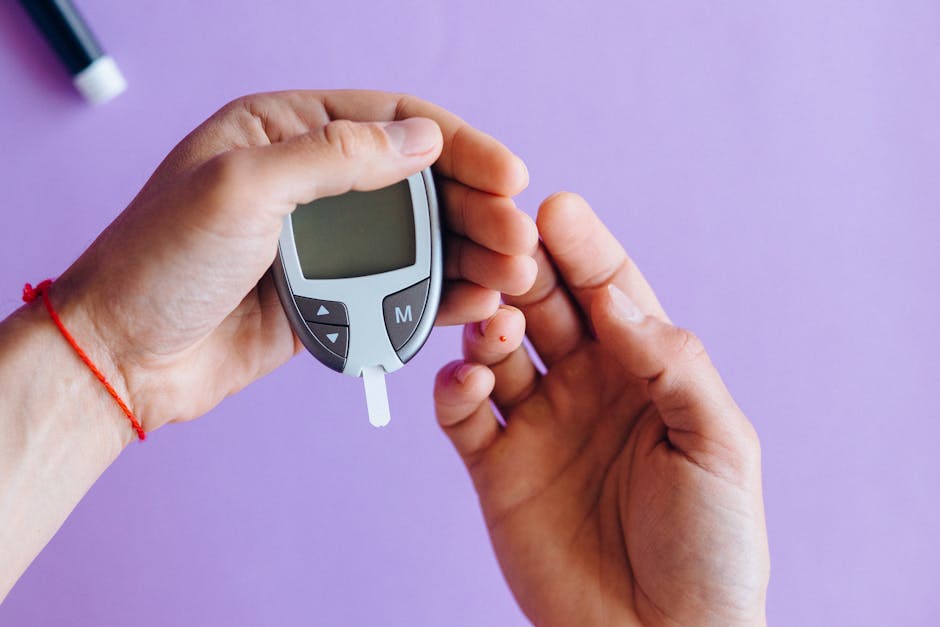
Track your fasting glucose if you have a glucose monitor or can get periodic blood work done. Check A1C at 12 weeks. If you see improvement and tolerate it well, continue. If you see no change after 12 weeks, it’s probably not doing much for you personally.
Don’t use cinnamon as permission to eat poorly. That defeats the entire point. It’s a supporting tool in a protocol, not a free pass.
Store cinnamon in an airtight container away from light and heat. It loses potency over time. Fresh is better than the bottle that’s been in your pantry for three years.
Cost consideration: Ceylon cinnamon costs more, but a container lasts weeks or months at these doses. It’s not a major expense.
One final practical note: some people experience mild GI upset at higher doses. Start at 1 gram and move up if tolerated. If 2-3 grams causes stomach issues, drop back to what feels comfortable.
Here’s the bottom line without the flowery language: Ceylon cinnamon, 1-2 grams daily with meals, can modestly improve fasting glucose and insulin sensitivity if you have prediabetes or type 2 diabetes. The effect is real but moderate. It’s not a treatment—it’s a supporting player in a protocol that emphasizes diet, movement, sleep, and stress management. Use Ceylon to avoid coumarin toxicity. Don’t expect it to work if you’re already metabolically healthy. Give it 12 weeks to evaluate. That’s it.
This article is for informational purposes only and does not replace professional medical advice. Always consult a qualified healthcare provider before making health-related decisions.