Why Berberine Works (And Why Dosage Matters)
Berberine is a plant alkaloid found in barberry, Oregon grape, and goldenseal. It’s not new—Traditional Chinese Medicine used it for centuries. What changed is our ability to measure what it actually does inside your cells.
The mechanism is straightforward. Berberine activates AMPK (adenosine monophosphate-activated protein kinase), often called the metabolic master switch. When AMPK activates, your cells respond by improving insulin sensitivity, reducing glucose production in the liver, and shifting toward fat oxidation. It’s metabolically clean.
But here’s what most blog posts skip: the dose matters tremendously. The 500mg protocol isn’t arbitrary.
The Research on 500mg Dosing
A 2015 meta-analysis published in Metabolism examined 14 randomized controlled trials. Doses ranged from 300mg to 1500mg daily, split across multiple administrations. The sweet spot? Studies using 500mg three times daily (1500mg total) showed the most consistent results without increasing adverse effects significantly.
A 2012 study in The Journal of Clinical Endocrinology & Metabolism compared berberine 500mg twice daily to metformin 500mg twice daily in patients with type 2 diabetes. The results were striking: both reduced fasting glucose by roughly 30%, with berberine showing comparable HbA1c reductions at 3 months. Mean HbA1c dropped from 8.4% to 7.3% in the berberine group.
That’s not marginal improvement. That’s clinically relevant change.
The 500mg single dose is where you see meaningful AMPK activation without unnecessary side effects like GI distress.
The Practical 500mg Protocol
Protocol design matters more than people realize. You can’t just take berberine whenever and expect results.
Timing and Administration
Take 500mg with meals, three times daily. Morning, lunch, and dinner. Berberine’s bioavailability improves with food, and pairing it with carbohydrate-containing meals maximizes its glucose-lowering effects at the moment they’re most useful.
Spacing doses across the day maintains steady-state plasma levels. You’re looking at a 12–15 hour elimination half-life, so three divided doses keeps berberine active continuously.
Start with 500mg once daily for 3–5 days. Your GI tract needs to adapt. Then move to twice daily, holding that for another week. Finally, move to the full three-times-daily protocol. This titration reduces the likelihood of digestive upset, which is the main limiting factor people encounter.
Food Interactions and Absorption
Don’t take berberine on an empty stomach. Absorption increases 4–5 fold when taken with a mixed meal containing some fat. The fat slows gastric emptying, extending the absorption window in the small intestine.
Iron and calcium supplements will compete for absorption. Separate berberine from these by at least 2 hours if you’re supplementing with either.
Berberine is moderately bitter. Most people switch to capsules quickly rather than dealing with the powder form. Capsules don’t dissolve until they reach your small intestine anyway, so absorption timing is similar.
What to Expect: Timeline and Realistic Outcomes
Berberine isn’t metformin. It works, but it takes time.
Week 1–2: Minor improvements in energy and post-meal bloating may appear. These are often the first subjective markers. Blood glucose won’t change measurably yet.
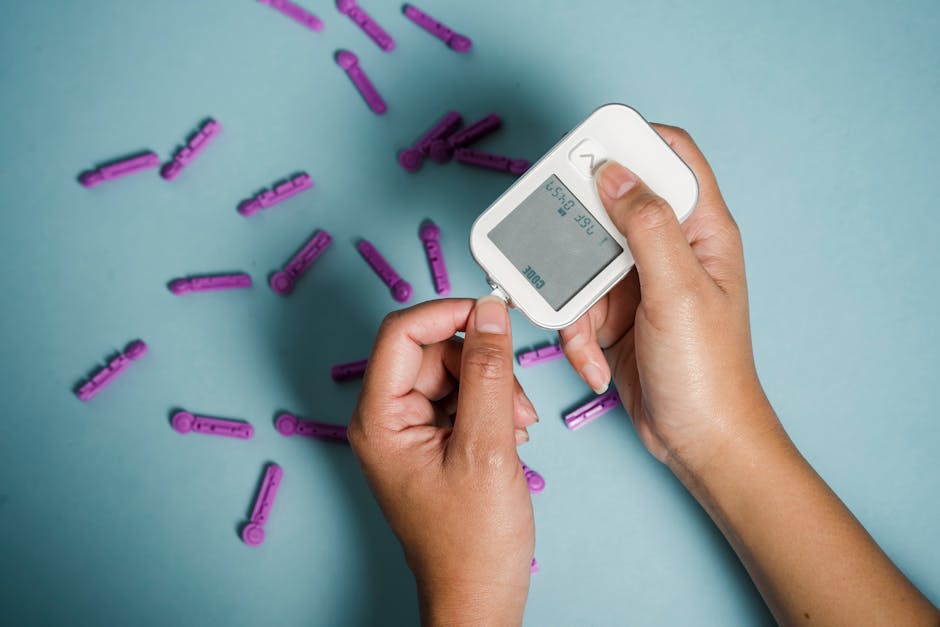
Week 3–4: Fasting glucose begins responding. If you’re checking at home with a glucometer, you’ll see modest reductions—usually 5–15 mg/dL if baseline is elevated. AMPK activation increases with consistent dosing.
Week 6–8: This is where the meaningful data emerges. A 2013 study in Evidence-Based Complementary and Alternative Medicine showed that 500mg three times daily reduced fasting blood glucose by 19 mg/dL on average in overweight individuals with impaired fasting glucose. HbA1c reductions appeared by week 8 and continued improving through 12 weeks.
Week 12+: Plateauing typically occurs around 12 weeks. That doesn’t mean it’s stopped working—it means you’ve reached the new equilibrium for your metabolic state.
The outcomes depend heavily on what you’re changing alongside berberine. If you’re using berberine while eating the same refined carbohydrate-heavy diet, you’ll see modest improvements. If you’re pairing it with reduced refined carbohydrate intake and consistent training, the effects amplify noticeably.
Berberine vs. Other Blood Sugar Protocols
| Intervention | Typical Dose | Fasting Glucose Reduction (avg) | HbA1c Reduction (avg) | Onset Timeline | GI Side Effects |
|---|---|---|---|---|---|
| Berberine 500mg TID | 1500mg/day divided | 15–25 mg/dL | 0.5–1.0% | 4–8 weeks | Moderate (diarrhea, cramping) |
| Metformin | 1000–2000mg/day | 25–40 mg/dL | 1.0–1.5% | 2–6 weeks | Moderate (diarrhea, nausea) |
| Chromium picolinate | 200–400mcg/day | 5–12 mg/dL | 0.1–0.3% | 8–12 weeks | Minimal |
| Inositol (myo + d-chiro) | 2–4g/day divided | 8–15 mg/dL | 0.2–0.5% | 6–12 weeks | Minimal (occasional nausea) |
| Dietary carb restriction | N/A (50–130g CHO/day) | 30–50 mg/dL | 0.5–2.0% | 1–3 weeks | None (adaptation period 7–10 days) |
Berberine sits in the middle ground. It’s more effective than chromium or inositol but generally less powerful than metformin. The advantage? Fewer long-term side effects and no risk of B12 malabsorption like metformin carries with chronic use.
The real power emerges when you stack interventions. Berberine + resistance training + refined carbohydrate reduction produces synergistic effects you won’t see with berberine alone.
Side Effects, Drug Interactions, and When to Stop
Gastrointestinal distress is the primary limiting factor. Diarrhea, cramping, and nausea affect roughly 30–40% of people starting berberine, especially at higher doses. This is why the titration protocol matters—it gives your microbiota time to adapt.
If GI issues persist beyond 2–3 weeks, your gut bacteria may have difficulty with berberine. Some people simply don’t tolerate it. That’s not a failure on your part.
Berberine is a CYP3A4 inhibitor. If you’re taking medications metabolized by this enzyme—certain statins, antihistamines, immunosuppressants, or some antiretrovirals—check with your pharmacist before starting. The interaction potential is real, not theoretical.
Pregnancy is a contraindication. Berberine crosses the placental barrier and increases bilirubin levels in newborns. Skip it entirely if you’re pregnant or nursing.
Stop berberine if you develop signs of hypoglycemia while on blood sugar medication. Berberine + metformin + sulfonylureas can be a powerful combination for reducing blood glucose, but that combination also increases hypoglycemia risk. Your doctor needs to adjust dosing accordingly.
Maximizing Results: The Berberine + Lifestyle Stack
Berberine works. The data confirms it. But taking a supplement while ignoring diet and activity is like changing one tire on a car with bald tires everywhere else.
The metabolic improvements multiply when you address three domains simultaneously:
- Carbohydrate quality: Reduce refined carbohydrates (white bread, pastries, sugary drinks). Berberine’s glucose-lowering effects are dramatically stronger when paired with lower carbohydrate intake. You’re working with the same mechanism rather than against it.
- Resistance training 3x/week minimum: Muscle contraction improves insulin sensitivity through GLUT4 translocation independent of AMPK. Combined with berberine’s AMPK activation, you get dual-pathway improvement. 20–30 minutes of resistance work produces measurable changes in glucose handling within 2–3 weeks.
- Sleep consistency: Poor sleep increases cortisol and impairs insulin sensitivity. Berberine can’t overcome chronic sleep deprivation. Seven or more hours nightly is non-negotiable for metabolic health.
A 2019 study in Nutrients tracked 120 people with prediabetes assigned to berberine 500mg TID, lifestyle modification, or combined intervention. The berberine-only group saw 18 mg/dL fasting glucose reduction. The lifestyle-only group (reduced refined carbs, 150 min/week moderate activity) saw 22 mg/dL reduction. The combined group? 38 mg/dL reduction. The effects weren’t additive—they were multiplicative.
That’s the protocol that works in the real world.
Practical Takeaway
The 500mg protocol—three times daily with meals, started gradually—represents the evidence-based sweet spot. You get meaningful glucose reduction without excessive GI disruption or drug interaction risk. Start slowly, give it 8–12 weeks, and combine it with reduced refined carbohydrate intake and consistent training.
Berberine isn’t a replacement for lifestyle change. It’s a tool that amplifies the effects of smart choices. Used correctly, it works. Used as a standalone supplement while everything else remains unchanged, you’ll see modest improvements at best.
Test, measure, and adjust. Track fasting glucose if you have access to a glucometer. Request HbA1c testing at 8–12 weeks. The data will tell you whether berberine is working for your specific metabolism.
This article is for informational purposes only and does not replace professional medical advice. Always consult a qualified healthcare provider before making health-related decisions.