Why Type I and III Collagen Matter (And Why Most People Get It Wrong)
If you’ve been taking collagen peptides as a general “health supplement,” you’re missing something crucial. Not all collagen is created equal. Type I and Type III collagen make up roughly 90% of your body’s total collagen, yet most people treat them like interchangeable commodity powders.
Here’s the distinction that actually matters: Type I collagen dominates in skin, tendons, and bones. Type III collagen shows up in blood vessels, the GI tract lining, and early wound healing stages. They’re synergistic—you need both working together, not one or the other.
The research is fairly consistent on one point. Oral collagen peptides (hydrolyzed collagen) do reach your bloodstream intact enough to influence collagen synthesis. A 2019 study in Nutrients tracked collagen-derived dipeptides and tripeptides in plasma after oral supplementation, confirming bioavailability. But dosing matters enormously. Too little and you’re wasting money. Too much and you’re not getting additional benefit.
Effective Dosing Protocols for Collagen Peptides
The Research-Backed Baseline: 10g Daily
Most clinical studies showing measurable improvements in skin elasticity and joint function used 10 grams of hydrolyzed collagen daily. This isn’t arbitrary. A 2014 randomized controlled trial published in Nutrients had participants consume exactly 10g of collagen peptides daily for 8 weeks. Results showed statistically significant improvements in skin elasticity and hydration compared to placebo.
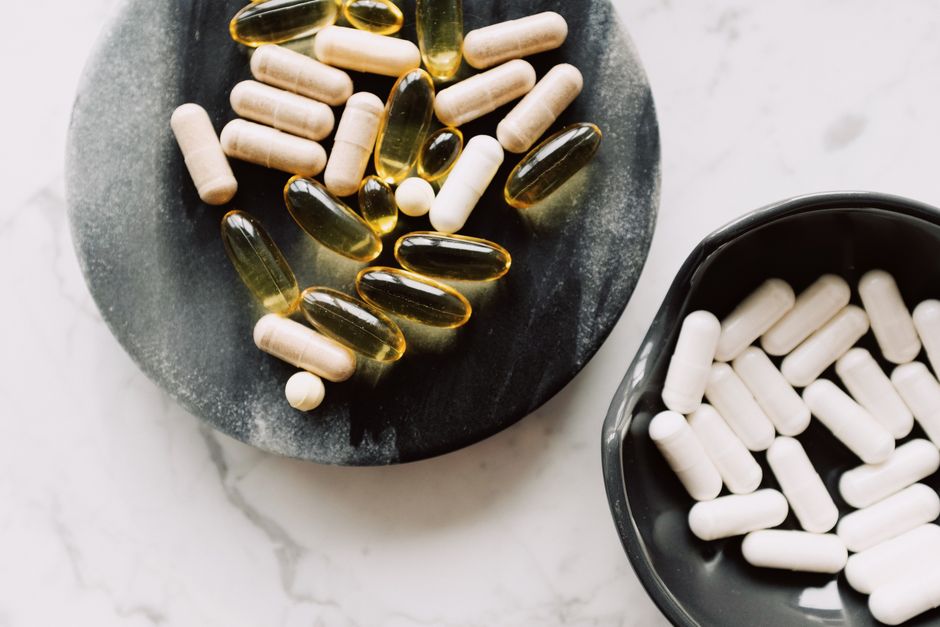
But here’s where it gets interesting. That same dose didn’t work for everyone in the same way. Individual response varied based on baseline collagen status, age, and dietary protein intake.
Scaling Up: 15-20g for Serious Joint Support
If you’re dealing with joint issues—whether athletic recovery or age-related wear—bumping to 15-20g daily shows better outcomes in the literature. A 2017 study in the Journal of Sports Medicine and Physical Fitness gave athletes 20g of collagen peptides daily and tracked joint pain during resistance training. Significant reduction in joint discomfort appeared around week 4-6.
And if you’re already training hard and pushing volume? 20g daily is a practical target. But this is where timing becomes important.
Timing and Consistency: The Overlooked Variable
Most collagen studies don’t isolate for timing, which is frustrating. But the mechanism suggests something useful. Collagen peptides seem to work best when amino acid availability is stable, not spiked and then depleted. Taking 10g as a single dose versus spreading 20g across two 10g servings probably matters more than people realize.
Split dosing makes biological sense. Your collagen synthesis runs 24/7, and a constant amino acid supply keeps that machinery running efficiently. Morning and evening works fine. Some people mix it into coffee or tea, others blend it into smoothies post-workout.
| Goal | Daily Dose | Dosing Schedule | Duration | Expected Timeline |
|---|---|---|---|---|
| General skin health | 10g | Single dose or split | 8-12 weeks | 6-8 weeks for visible change |
| Joint recovery/support | 15-20g | Split into 2 doses | 12+ weeks | 4-6 weeks for pain reduction |
| Advanced skin protocol | 20g | 10g AM, 10g PM | 12-16 weeks | 8-12 weeks for elasticity |
| Maintenance (established) | 5-10g | Single or split | Ongoing | Prevents decline |
The Type I vs. Type III Question: Does It Actually Matter?
Most commercial collagen peptide blends contain both types. You’ll see ratios marketed as “1:1” or “90/10 Type I to Type III.” The question is whether optimizing that ratio delivers real benefits.
The honest answer? We don’t have enough human data to be dogmatic. Most research uses blended collagen and still sees results. Type I dominates for skin elasticity specifically. Type III shows up in newer collagen deposition during healing and in connective tissue resilience. Both are useful.
If you’re primarily focused on skin quality, a product weighted toward Type I makes theoretical sense. If joint recovery is your target, a more balanced blend works better because Type III participates in the early remodeling stages. For general health support, the difference between a 1:1 blend and a 90:10 Type I blend is probably minimal if total dose stays constant.
And here’s the practical reality: most quality collagen peptide products don’t disclose exact Type I/III ratios. You’re usually choosing based on source (grass-fed beef has different ratios than wild fish) and brand reputation.
Building a Practical Collagen Stack
Collagen Alone vs. Supporting Nutrients
Collagen peptides don’t work in isolation. Your body needs specific cofactors to synthesize new collagen from the amino acids you’re supplying. Vitamin C is essential—it acts as a cofactor for lysyl and prolyl hydroxylase, enzymes that stabilize collagen’s triple helix structure. Without adequate vitamin C, you’re essentially delivering raw materials to a factory that can’t process them efficiently.
A practical collagen protocol includes:
- Collagen peptides: 10-20g daily (as outlined above)
- Vitamin C: 500-1000mg daily from food or supplemental form. Citrus, berries, and leafy greens are reliable sources
- Glycine: Already abundant in collagen peptides (roughly 33% glycine by weight), but some people add extra 2-5g for joint and gut support
- Copper: 1-2mg daily. Involved in lysyl oxidase, which cross-links collagen fibers. Shellfish, nuts, and seeds are good sources
Timing Relative to Protein and Workouts
Collagen peptides are incomplete proteins—they’re low in tryptophan and methionine. They’re not a replacement for complete protein sources. Instead, treat them as a specific micronutrient with targeting benefits.
Post-workout is a logical time to include collagen, especially if you’re doing resistance training focused on joints (heavy squats, overhead pressing, etc.). A post-workout shake with collagen peptides, carbohydrates, and other amino acids makes sense theoretically, though the research doesn’t heavily emphasize timing specifically for collagen.
What does matter: consistent daily intake beats sporadic larger doses. Taking 20g every day beats taking 40g twice a week.
Realistic Expectations and Timeline
This is where most people get discouraged. Collagen supplementation isn’t like creatine monohydrate or caffeine, where you notice effects within days. Collagen changes happen slowly because you’re modulating protein synthesis across weeks and months.
For skin: expect 6-12 weeks before friends start asking “what are you doing differently?” The most consistent findings show improvements in skin hydration around week 4, but elasticity and firmness take 8-12 weeks of consistent dosing.
For joints: 4-8 weeks is more realistic for pain reduction, especially if you’re combining collagen with movement and strength work. Joint health doesn’t improve from supplementation alone. The collagen provides substrate; strength training provides the stimulus.
And honestly? If you’re under 30 with no existing skin or joint issues, collagen supplementation is more about prevention than dramatic transformation. The real benefits emerge when you’re addressing existing concerns or optimizing for longevity.
Quality and Source Considerations
Not all collagen peptide products are equivalent. Bovine (beef) collagen is the most researched and typically the most affordable. Marine collagen has smaller peptide sizes, which theoretically improves absorption, but the practical difference in outcomes hasn’t materialized in head-to-head studies.
Look for products that:
- Come from grass-fed or wild-caught sources if possible (lower risk of contaminants)
- Have third-party testing for heavy metals and microbes
- List exact collagen peptide content per serving (should clearly state 10g, 15g, etc.)
- Avoid blends that bury collagen among dozens of other ingredients at minuscule doses
Hydrolyzation method matters too. The more thoroughly hydrolyzed the collagen (smaller peptide chains), the faster it typically mixes and the higher the bioavailability. This is why quality products tend to be more expensive—proper hydrolysis isn’t cheap.
One last point: if you have existing digestive issues or severe gut inflammation, start with 5g daily and titrate up slowly. Some people report bloating or digestive upset when jumping straight to 15-20g without acclimation.
This article is for informational purposes only and does not replace professional medical advice. Always consult a qualified healthcare provider before making health-related decisions.