Why Type I and III Collagen Matter
Collagen is the most abundant protein in your body. It makes up roughly 30% of total protein content, and that percentage climbs even higher when you’re looking at structural tissues like skin, tendons, and joints. But here’s the problem: after 25, your body produces less collagen each year. By 40, you’re losing about 1% annually.
Type I collagen is your workhorse. It dominates in skin, bones, tendons, and ligaments. Type III collagen works alongside it, providing elasticity and flexibility to the same tissues. They’re not interchangeable—they work as a team.
Most people don’t think about collagen until something breaks down. Sagging skin, creaky joints, weak nails. But collagen degradation isn’t sudden. It’s a slow erosion. The good news? Oral collagen peptides actually work, and the research backs it.
What the Research Actually Shows
Collagen peptides—also called hydrolyzed collagen or collagen hydrolysate—are broken down into small amino acid chains and dipeptides. Your gut can absorb these efficiently, unlike whole collagen protein.
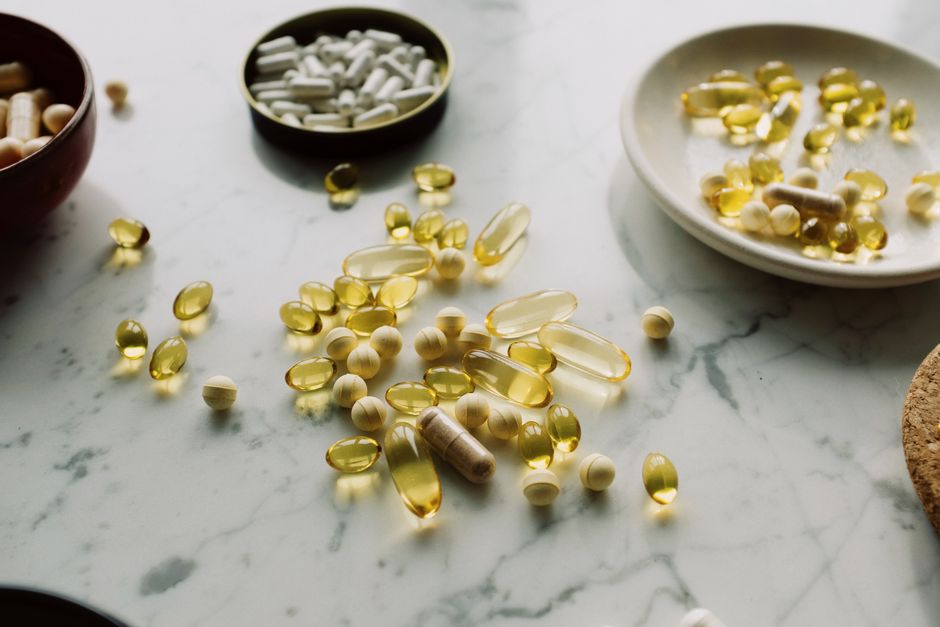
A 2019 study in Nutrients found that 10g of hydrolyzed collagen daily for 8 weeks improved skin elasticity in women over 50. Skin hydration increased measurably. Another study published in Journal of Sports Medicine and Physical Fitness (2019) showed that athletes taking 10g of type I and III collagen peptides daily reduced joint pain and improved mobility compared to placebo.
The mechanism isn’t magic. Collagen peptides contain specific amino acids—glycine, proline, and hydroxyproline—that your body uses directly in collagen synthesis. They also trigger signaling pathways that upregulate your own collagen production. You’re not just replacing what you lost; you’re telling your body to make more.
But dosing matters. More isn’t always better, and timing can affect absorption.
Optimal Dosing Protocol
Daily Intake Guidelines
The sweet spot for most people is 10-20g daily. Don’t go below 10g; you won’t see meaningful results. Most research showing benefits used exactly 10g, but some studies went up to 15-20g with additional benefits, particularly for joint support.
Here’s how to approach it based on your goals:
- Skin health primary goal: 10g daily. This is the dose used in the elasticity studies. Take it consistently for at least 8 weeks before expecting visible changes.
- Joint support or athletic recovery: 15-20g daily. Athletes and people with joint issues showed better outcomes at the higher end.
- General maintenance: 10g daily is sufficient. You don’t need to spend extra on higher doses unless you have specific joint problems.
Consistency beats dosing higher sporadically. Taking 20g one day and nothing for three days won’t work. Your collagen synthesis needs steady substrate availability.
Timing and Absorption
Take collagen peptides with vitamin C. This matters more than people realize.
Vitamin C (ascorbic acid) is a cofactor for prolyl and lysyl hydroxylase—enzymes your body absolutely needs to stabilize and cross-link newly synthesized collagen. Without adequate C, you’re making defective collagen. You need at least 75-90mg of vitamin C with your collagen dose. If you’re already supplementing with 500mg+ of vitamin C daily, you’re covered. If not, add it.
Take collagen with or just before a meal containing fat or protein. The amino acids compete for absorption with other dietary proteins, but having food present improves overall uptake. Fasted collagen works fine, but absorption is slightly better with food.
Timing within the day doesn’t matter much. Morning, evening, post-workout—they’re all equivalent in the research. Pick whatever you’ll actually stick with.
Split Dosing vs Single Dose
If you’re taking 20g daily, split it: 10g morning, 10g evening. Absorption is dose-dependent, meaning you can’t absorb all 20g equally well in one sitting. Two 10g doses gives better total absorption than one 20g serving. For 10g daily, a single dose is fine.
| Goal | Daily Dose | Format | Duration | Expected Timeline |
|---|---|---|---|---|
| Skin elasticity & hydration | 10g | Single dose | 8-12 weeks minimum | 4-8 weeks for visible changes |
| Joint support & pain | 15-20g | Split doses | 12+ weeks | 3-6 weeks for noticeable improvement |
| Athletic recovery | 10-15g | Post-workout preferred | Ongoing | 2-4 weeks for recovery metrics |
| General maintenance | 10g | Single dose | Ongoing | N/A—preventive |
Type I vs Type III: Which One Do You Need?
Most commercial collagen peptides are a blend of Type I and III, often in roughly equal proportions. This is the most logical approach because both types exist together in your skin and connective tissues.
If you see marketing claiming “pure Type I” or “pure Type III,” be skeptical. There’s limited evidence that isolating one type is superior. Your body doesn’t utilize collagen in isolation—it incorporates amino acids into whatever structure needs repair.
That said, there are minor distinctions worth knowing:
- Type I dominant: Better for skin firmness and bone density. Go here if your primary concern is facial skin quality.
- Type III dominant: Better for elasticity and suppleness. If you want bouncier, more flexible skin, Type III helps.
- Balanced blend (Type I + III): Best for joint support and overall tissue health. This is what most athletes and people with joint issues should use.
Grass-fed bovine collagen peptides generally have a better amino acid profile than fish collagen (Type I only). Fish collagen is fine if you’re vegan or have beef allergies, but bovine wins on composition.
Stacking Collagen With Other Supplements
Collagen doesn’t work in a vacuum. Several other compounds amplify its effects.
Synergistic Stack for Skin
Combine collagen with hyaluronic acid (HA). HA holds moisture in skin, and collagen provides structure—they address different aspects of skin quality. Use 50-200mg of HA daily with your collagen. The research is solid: HA plus collagen outperforms either alone for skin hydration.
Add niacinamide (vitamin B3) at 500-1000mg daily. It boosts skin barrier function and reduces inflammation, which helps your newly synthesized collagen integrate properly.
Vitamin C we covered—non-negotiable. Get it from food (citrus, berries, peppers) or supplement with 500mg daily of ascorbic acid or a gentler form like ascorbyl palmitate if your stomach is sensitive.
Synergistic Stack for Joints
Glucosamine sulfate (1500mg daily) works well alongside collagen for joint cartilage. Don’t expect miracles—it’s modest—but the combination is better than collagen alone for people with osteoarthritis or heavy joint use.
Add a quality fish oil or algae omega-3 (1-2g EPA+DHA daily). The anti-inflammatory effect supports collagen deposition and reduces joint inflammation.
Boron at 2-3mg daily. This trace mineral is underrated for bone and connective tissue health, and it’s cheap. Most people get it from diet, but if you’re not eating almonds or leafy greens regularly, supplementing helps.
Vitamin D3: if your levels are below 40 ng/mL, your collagen synthesis is suppressed. Get tested, then supplement to reach 50-70 ng/mL. This matters more for joint health than people realize.
Practical Implementation and Expectations
Start with a quality collagen peptide powder. Mix it into your morning coffee, tea, smoothie, or broth. It dissolves almost completely and is virtually tasteless in most drinks. Don’t heat it above 170°F or you’ll damage the peptide structure.
Set a realistic timeline. You won’t see skin changes in two weeks. Skin cell turnover takes 28 days minimum, and collagen remodeling takes 8-12 weeks. Joint cartilage changes are slower—expect 12+ weeks. But if you’re consistent, changes are measurable.
Track something. Take a photo of your skin under consistent lighting every 4 weeks. For joints, rate your pain or mobility on a 1-10 scale weekly. Don’t rely on subjective feeling—the placebo effect is real and powerful. Data beats intuition.
Most people see results. A 2021 meta-analysis in Nutrients that reviewed multiple collagen supplementation studies found consistent improvements in skin elasticity (41 studies), hydration (23 studies), and joint function (18 studies). The effect sizes weren’t enormous, but they were statistically significant and clinically meaningful.
One more thing: collagen is a supplement, not a magic bullet. Get adequate protein overall (0.7-1g per pound of bodyweight), sleep 7-9 hours, manage stress, and don’t smoke. Collagen works best in a foundation of good fundamentals.
If you have an autoimmune condition or are pregnant, check with your doctor before supplementing. Collagen is generally safe, but individual medical history matters.
This article is for informational purposes only and does not replace professional medical advice. Always consult a qualified healthcare provider before making health-related decisions.