The Cortisol-Glucose Connection Nobody Talks About
Your blood sugar just spiked 40 mg/dL. You haven’t eaten anything in three hours. What happened?
Cortisol. That stress hormone your body releases during traffic jams, work deadlines, and arguments with your partner is actively dumping glucose into your bloodstream. And if you’re checking your continuous glucose monitor (CGM) thinking you made a food mistake, you’re probably missing the real culprit.
Most people obsess over carbs and meal timing when it comes to blood sugar control. They track macros, time their eating windows, and carefully measure portions. But they ignore the hormonal backdrop that can undo all that precision in seconds. Cortisol doesn’t care about your meal plan. It operates on its own schedule, and understanding how it works changes everything about metabolic health.
How Cortisol Actually Raises Blood Sugar
Cortisol is your body’s emergency hormone. When you perceive threat—real or imagined—your adrenal glands pump it out. Its job is to prepare you for fight-or-flight by mobilizing energy. That’s where glucose comes in.
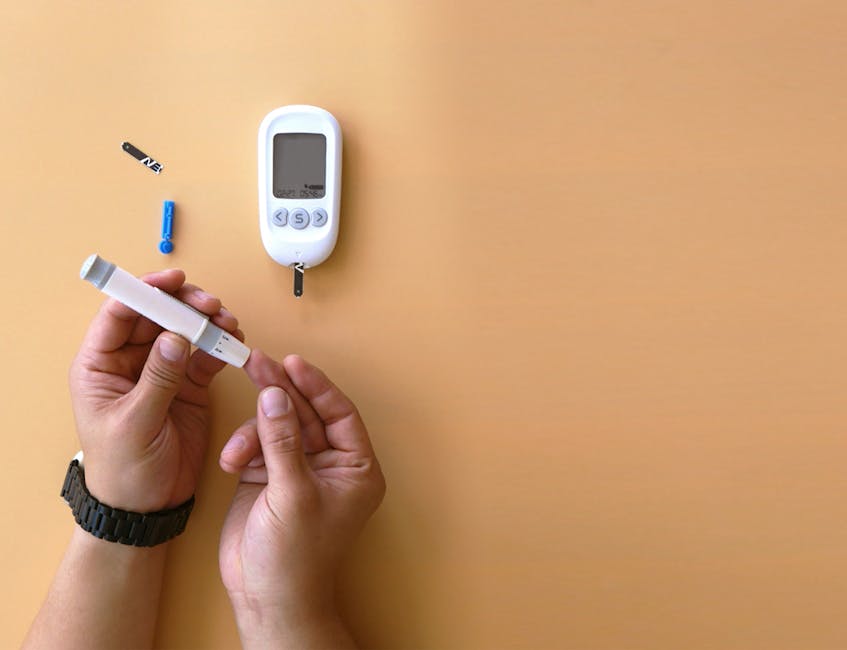
Here’s the mechanism: Cortisol triggers hepatic gluconeogenesis, which is fancy for \”your liver makes new glucose from scratch.\” It doesn’t pull from your breakfast. It synthesizes glucose from amino acids, lactate, and glycerol. The result? A blood sugar rise that has nothing to do with what you ate.
Cortisol also decreases insulin sensitivity. Your cells become less responsive to insulin signaling, so whatever insulin your pancreas produces becomes less effective. That’s a double hit: more glucose entering the bloodstream while your cells simultaneously resist it.
And here’s what most people miss: cortisol suppresses glucagon-like peptide 1 (GLP-1) production. GLP-1 is one of your body’s primary appetite and glucose regulators. When cortisol is elevated, you lose that regulatory signal, which means your body doesn’t suppress appetite as effectively and doesn’t slow gastric emptying the way it should.
When Does This Actually Matter?
Acute stress? That cortisol spike is useful. Your body mobilizes energy because you might need it. The problem starts with chronic elevation.
People with persistently high cortisol—from unmanaged work stress, poor sleep, constant dieting, overtraining, or financial anxiety—develop what researchers call \”metabolic dysfunction.\” Their baseline glucose is higher. Their insulin levels creep up. Their metabolic flexibility (the ability to switch between burning glucose and fat) declines.
A 2019 study in Psychoneuroendocrinology found that elevated cortisol was associated with higher fasting glucose independent of BMI and other metabolic markers. People with the highest cortisol levels had fasting glucose readings 8-12 mg/dL higher than those with lower cortisol, even when weight was controlled for.
But it gets worse. Chronic cortisol exposure also increases visceral fat accumulation—the dangerous belly fat that wraps around your organs. Visceral fat is metabolically active and produces inflammatory compounds that further worsen insulin resistance. You’re now trapped in a feedback loop.
| Cortisol Pattern | Effects on Glucose | Additional Metabolic Impact |
|---|---|---|
| Normal (healthy rhythm) | High in morning, low at night; controlled glucose production | Good insulin sensitivity, normal appetite regulation |
| Chronically elevated | High fasting glucose, exaggerated postmeal spikes | Insulin resistance, visceral fat gain, inflammation |
| Flat/blunted (burned out) | Hypoglycemic symptoms, unstable glucose throughout day | Poor energy, extreme hunger, impaired recovery |
| Inverted (reversed rhythm) | High glucose at night, poor overnight fasting | Sleep disruption, poor glucose control, weight gain |
Your Stress Sources (Both Obvious and Hidden)
You know about work stress. But metabolic stress is often invisible.
Exercise intensity matters. High-intensity training elevates cortisol acutely, which is normal and adaptive. But if you’re doing intense workouts 5-6 days per week without adequate recovery, you’re chronically elevating cortisol. A 2018 study in the Journal of Sports Sciences showed that athletes with consistently high training loads had cortisol levels 20-30% above baseline, which correlated with increased body fat percentage despite their training volume.
Sleep deprivation is huge. Getting 5 hours instead of 7-8 hours raises cortisol by roughly 40%. That’s not small. And your body doesn’t adapt—night after night of poor sleep keeps cortisol elevated, suppressing melatonin and worsening both glucose control and sleep quality itself. It’s a vicious cycle.
Restrictive dieting is a metabolic stressor. Your body doesn’t differentiate between famine and intentional calorie restriction. Both trigger cortisol elevation to preserve energy and mobilize glucose. People who diet aggressively often develop paradoxically worse glucose control because the chronic cortisol keeps their baseline glucose elevated.
And then there’s what we might call \”information stress.\” Social media, news cycles, constant connectivity—the psychological burden of perceived threats activates your stress response. Your body doesn’t care that the threat is digital. The cortisol response is real.
Practical Steps to Lower Cortisol and Stabilize Glucose
Sleep is non-negotiable. This isn’t advice. It’s a requirement. Prioritize 7-9 hours in a cool, dark room. If you’re not sleeping, nothing else in this article will work. Cortisol’s natural rhythm depends on adequate sleep. One night of 4-5 hours sleep raises cortisol for 24-48 hours afterward.
Adjust your training intensity. If you’re exercising intensely daily, you’re probably cortisol-stressed. Replace 1-2 high-intensity sessions per week with lower-intensity steady-state work: walking, easy cycling, swimming. This maintains cardiovascular fitness without the cortisol spike. Your glucose control will improve noticeably.
Use short, deliberate stress management protocols. Box breathing (4 counts in, 4 counts hold, 4 counts out, 4 counts hold) for 5 minutes activates your parasympathetic nervous system and lowers cortisol acutely. Do this after work before dinner. Cold exposure—30-60 seconds in a cold shower—actually works to lower cortisol by activating vagal tone, but only if you’re doing it correctly and not too frequently (2-3 times per week). Sauna use (15-20 minutes at 160-180°F, 3-4 times per week) improves insulin sensitivity and reduces inflammatory markers linked to cortisol dysfunction.
Don’t diet aggressively. If you’re in a 500+ calorie deficit daily, you’re driving up cortisol. Consider a modest deficit of 250-300 calories and be patient. Your body will adapt better and your glucose control won’t suffer. Alternatively, use intermittent fasting strategically. A 14-16 hour fasting window is fine; a 20-24 hour fast done daily is metabolically stressful for most people and elevates cortisol.
Magnesium supplementation has research behind it. Magnesium is a natural GABA agonist and participates in cortisol regulation. A 2012 study in Nutrients found that magnesium glycinate (400-500mg daily) reduced cortisol levels in stressed populations. This isn’t a cure, but it’s a reasonable addition if your stress is high. Take it in divided doses and use the glycinate or threonate forms for better absorption and reduced GI effects.
Control blue light exposure in the evening. Cortisol should decline after sunset. Blue light from screens suppresses melatonin and keeps cortisol elevated. Stop scrolling 60 minutes before bed. Use blue-light blocking glasses if you must use screens in the evening.
And here’s something specific: if you’re monitoring with a CGM and you see unexplained glucose spikes during stressful moments (meetings, traffic, arguments), you now know what’s happening. Don’t blame yourself for a food choice you didn’t make. Use that as a signal to implement one of these cortisol-lowering strategies.
The Testing Option
If you want to know your cortisol status, you have options. Serum cortisol measures acute levels but varies wildly throughout the day. A 4-point saliva cortisol test (measured at waking, noon, evening, and night) shows your diurnal rhythm and reveals whether your cortisol pattern is elevated, blunted, or inverted. This costs $100-200 out of pocket and is available through companies like Everlywell or through your doctor.
A 24-hour urine cortisol test is the gold standard for identifying Cushing’s syndrome, but it’s overkill for most people managing stress-related metabolic issues. Start with saliva testing if you’re curious.
Putting It Together
Cortisol isn’t your enemy—it’s a survival hormone that becomes problematic only when it’s chronically elevated. Your blood sugar control depends on managing it, not just managing your fork.
If you’re doing everything right with nutrition, exercising consistently, and your glucose metrics still aren’t improving, cortisol is probably the missing variable. You could eat perfectly and still have poor glucose control if your stress response is dysregulated.
Start with sleep. That’s the lever that moves everything else. Once you’ve solidified 7-8 hours consistently, adjust your training intensity and add one stress management protocol. Within 2-4 weeks, you’ll notice your baseline glucose is lower, your postmeal spikes are smaller, and your hunger signals are more stable. Those aren’t coincidences. That’s your cortisol normalizing and your metabolism responding accordingly.