The Histamine Problem Nobody’s Talking About
Your gut is producing histamine right now. Probably too much of it. And if your digestive system can’t break it down efficiently, you’re experiencing symptoms you might not even connect to histamine at all—bloating after meals, inexplicable headaches, brain fog, or that mysterious rash that comes and goes.
Histamine intolerance (HIT) isn’t a true allergy. It’s a functional problem where your body accumulates histamine faster than it can eliminate it. The culprit? Usually an enzyme called diamine oxidase (DAO), which lives in your gut lining and should be breaking down dietary histamine. When DAO production drops, everything backs up.
But here’s what most articles get wrong: they blame food. They tell you to avoid aged cheeses, fermented vegetables, and cured meats. That’s part of the picture. The bigger issue is your gut microbiome itself—and the bacteria living there are actively producing histamine.
The connection between HIT and your microbiome is direct, measurable, and fixable. It’s also almost entirely overlooked in mainstream medicine.
How Your Microbiome Creates the Histamine Problem
Your gut bacteria don’t just digest food. They manufacture neurotransmitters, vitamins, and yes, histamine. Specific bacterial strains—particularly histamine-producing organisms—are basically tiny histamine factories living in your colon.
Bacteria like Morganella morganii, Klebsiella pneumoniae, and various Lactobacillus and Bifidobacterium species all produce histamine through an enzyme called histidine decarboxylase. This isn’t a problem when you have adequate DAO production and a healthy gut barrier. But when your DAO is low—due to genetic factors, B6 deficiency, copper deficiency, or intestinal inflammation—histamine accumulates.
A 2021 study published in Nutrients found that patients with HIT had significantly different microbiome compositions compared to controls, with elevated levels of histamine-producing bacteria. The microbiome itself had become a source of the problem.
And it gets worse. Inflammation in your gut (from poor diet, infections, or dysbiosis) damages the intestinal lining where DAO is produced. Less DAO means more histamine accumulation. More histamine triggers more intestinal inflammation. You’re stuck in a feedback loop.
The DAO Depletion Cascade
DAO production depends on specific nutrients and conditions. When any of these break down, your histamine-clearing capacity collapses:
- Vitamin B6 (pyridoxal-5-phosphate): A cofactor for DAO synthesis. Low B6 = low DAO. Many people with HIT are deficient.
- Copper: Essential for DAO function. Zinc/copper imbalance is common in dysbiotic individuals.
- Intestinal barrier integrity: Leaky gut literally means damaged DAO-producing tissue. Tight junctions matter.
- Stomach acid: Low HCl reduces DAO expression in the small intestine. Acid-suppressing medications worsen HIT.
If you’re taking a PPI for reflux, you might actually be causing your histamine problem. That’s worth thinking about.
Testing and Measuring Histamine Intolerance
The challenge with HIT is that there’s no perfect test. There’s no blood marker that definitively says \”you have histamine intolerance.\” Instead, you’re working with symptom clusters, dietary response, and functional markers.
What Actually Gets Measured
Plasma histamine levels are unreliable because histamine is released from mast cells and basophils during blood draw—the test itself causes the problem you’re trying to measure. Some labs offer methylhistamine in urine as a marker of histamine metabolism, but this varies wildly based on circadian rhythm and recent meals.
DAO enzyme activity can be measured through functional labs. A value below 10 U/mL is considered low and suggests histamine accumulation risk. Some practitioners use DAO plasma levels, though the clinical relevance is debated.
Your microbiome composition tells you more. A comprehensive stool analysis (like GI-MAP or similar) showing elevated histamine-producing bacteria species is functionally relevant. You can actually see if dysbiosis is driving the problem.
| Test | What It Measures | Reliability | Practical Use |
|---|---|---|---|
| Plasma Histamine | Free histamine in blood | Low (collection artifacts) | Not recommended |
| Methylhistamine (Urine) | Histamine metabolism byproduct | Moderate (circadian variation) | Functional marker only |
| DAO Activity | Enzyme capacity to clear histamine | Moderate-High | Identifies clearance deficiency |
| Stool Microbiome Analysis | Bacterial composition and producers | High (identifies dysbiosis) | Root cause identification |
| Symptom Elimination Diet | Clinical response to low-histamine eating | High (if done properly) | Gold standard for diagnosis |
The most reliable approach? A properly conducted elimination diet. Remove high-histamine foods for 3-4 weeks. Track symptoms carefully. If bloating, headaches, and GI issues improve substantially, you’ve identified the problem. Then you systematically reintroduce foods to find your threshold.
Fixing the Microbiome-Histamine Connection
This is where most HIT advice fails. People jump straight to restrictive diets without addressing the root dysbiosis. You can eat nothing but fresh chicken and rice, but if your microbiome is producing histamine, you won’t fully recover.
The protocol has three components: reduce the histamine load, restore DAO production, and rebalance your microbiome.
Step 1: Lower Dietary Histamine (Temporarily)
You can’t fix dysbiosis while constantly triggering histamine overload. A low-histamine elimination phase typically lasts 3-8 weeks, not permanently.
High-histamine foods to restrict:
- Aged and fermented foods (aged cheese, sauerkraut, kimchi, miso, tempeh)
- Cured and processed meats (salami, pepperoni, bacon, deli meats)
- Alcohol (especially wine, beer, and fermented spirits)
- Tomatoes and tomato products (fresh tomatoes are lower; paste/sauce are concentrated)
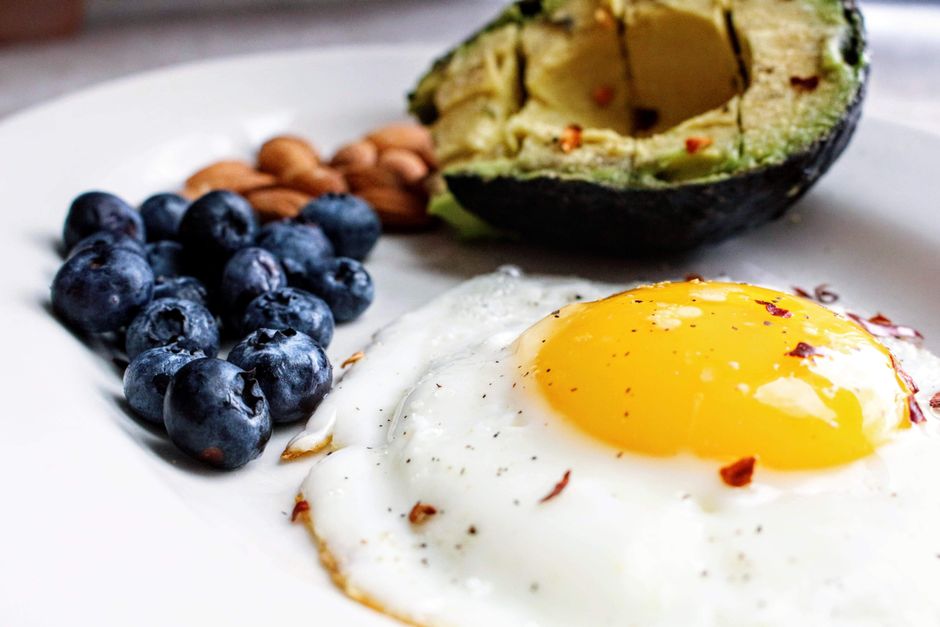
- Avocado, nuts (especially cashews and peanuts), seeds
- Spinach, eggplant, mushrooms
- Most seafood (especially canned and smoked varieties)
- Leftovers over 24 hours old (histamine increases as food sits)
Fresh food is your friend during this phase. Fresh meat, fresh fish, fresh vegetables prepared same-day. It sounds restrictive because it is, temporarily.
Step 2: Restore DAO-Supporting Nutrients
This is the forgotten piece. While you’re managing food, you need to rebuild your DAO-producing capacity.
Vitamin B6 (P5P form): 50-100mg daily. This is the rate-limiting cofactor for DAO synthesis. P5P is the active form; pyridoxine HCl is less useful for HIT. Test your B6 status if possible—functional B6 deficiency is common with dysbiosis.
Copper: This one’s tricky. You need it for DAO, but excess copper is toxic. Most people don’t need supplementation; you need a zinc/copper ratio check. Aim for roughly 1:8 to 1:10 (zinc:copper). If you’re taking high-dose zinc without managing copper, you’re creating a deficiency.
Vitamin C: 1-2g daily supports DAO function and reduces histamine release from mast cells. Use ascorbic acid or buffered forms depending on stomach sensitivity.
Quercetin: A natural flavonoid that stabilizes mast cells and reduces histamine release. Dosing is typically 500-1000mg twice daily. Not a cure, but supports symptom management during recovery.
Step 3: Rebalance the Microbiome
Here’s where most HIT protocols fail. They don’t actually address dysbiosis. You can’t probiotic your way out of this, but targeted interventions work.
Remove histamine-producing bacteria strategically: A short course of antimicrobial herbs or low-dose antibiotics (if directed by a practitioner) can reduce the bacterial load producing histamine. Berberine (500mg 2-3x daily) has antimicrobial properties and helps restore intestinal barrier function. Oregano oil (standardized to 70%+ carvacrol) at therapeutic doses (150-300mg daily) specifically targets gram-negative bacteria like Morganella.
But here’s the critical part: you can’t just kill bacteria and expect recovery. You need to feed beneficial organisms.
Prebiotic fiber: Inulin and FOS are fermented by beneficial bacteria and feed the good guys while starving histamine producers. Start with small amounts (2-5g daily) because fermentation can cause bloating initially. Gradually increase to 10-15g daily over 2-3 weeks.
Low-histamine probiotics: Not all probiotics are equal. Histamine-producing strains like most Lactobacillus species can make HIT worse. Look for non-histamine producers: Bifidobacterium longum, Bifidobacterium breve, Faecalibacterium prausnitzii. Dosing typically 25-50 billion CFU daily during the rebalancing phase. Some people do better with soil-based organisms (spore-formers like Bacillus subtilis) which are inherently lower-histamine.
L-glutamine and bone broth: Rebuild your intestinal lining so DAO-producing cells regenerate properly. L-glutamine at 5-10g daily, or bone broth (homemade or quality collagen peptides) 10-15g daily. This matters more than people realize—you can’t fix DAO deficiency if the intestinal tissue is damaged.
The Recovery Timeline and What to Expect
You’re not fixing this overnight. Microbiome changes take time, and DAO enzyme production requires intestinal healing.
Weeks 1-2: Symptoms should start improving on the low-histamine diet alone. Bloating, headaches, and brain fog typically respond first.
Weeks 3-6: As you add the nutrient support and microbiome work, improvements plateau temporarily as your body rebalances. Some people experience a \”detox\” response (temporary worsening of symptoms). This is normal if it’s brief.
Weeks 6-12: Real progress. Stool analysis should show improved bacterial diversity. You can start cautiously reintroducing some higher-histamine foods and see your threshold expand.
Months 3-6: If you’ve been consistent, your tolerance normalizes substantially. You’ll never have unlimited access to sauerkraut and aged cheese if you’re genetically predisposed to low DAO, but you’ll go from “can’t eat anything fermented” to “can handle fermented foods in moderation.”
This is why the elimination diet alone fails people. They remove foods, feel better temporarily, then reintroduce too quickly without rebuilding their microbiome. Six months later, they’re back where they started, blaming histamine when really their dysbiosis never got addressed.
When to Get Professional Help
HIT overlaps with MCAS (mast cell activation syndrome), SIBO, and other functional GI disorders. If you’re not improving after 8 weeks of consistent effort, or if symptoms are severe, see a functional medicine practitioner who understands microbiome work, not just a general gastroenterologist.
Functional labs matter. Get a stool analysis. Check your micronutrient status. The problem is almost always visible if you know what to look for.
And be patient. You didn’t develop dysbiosis in three weeks. You won’t fix it in three weeks either.
This article is for informational purposes only and does not replace professional medical advice. Always consult a qualified healthcare provider before making health-related decisions.