The Dawn Phenomenon Isn’t Your Imagination
You wake up. You haven’t eaten anything. Yet your blood glucose is somehow higher than it was when you went to bed. Sound familiar? That’s the dawn phenomenon, and it’s happening to millions of people every morning, whether they have diabetes or not.
Here’s what’s actually occurring: Between 4 and 8 AM, your body releases a coordinated surge of hormones—primarily cortisol, growth hormone, and glucagon—that tell your liver to dump stored glucose into your bloodstream. This is evolutionarily useful. Your ancestors needed blood sugar elevated before they went hunting or foraging. For the modern person just trying to make coffee? It’s annoying and metabolically counterproductive.
The problem gets worse after you eat breakfast. Because your blood sugar is already elevated, insulin sensitivity tends to be lower first thing in the morning. That carb-heavy breakfast hits differently than it would at lunch. Your pancreas has to work harder. Your glucose spikes higher and stays elevated longer.
Some people see blood sugar increases of 20-50 mg/dL from dawn phenomenon alone. If you’re already dealing with insulin resistance or pre-diabetes, this compounds the problem significantly.
Understanding the Hormonal Setup
Cortisol is the star player here. This isn’t about stress cortisol (though that makes things worse). This is your circadian cortisol rhythm, which naturally peaks around 6-8 AM whether you’re stressed or not. Cortisol increases hepatic glucose output—your liver releases more glucose—while simultaneously reducing insulin sensitivity in muscle tissue. Your muscles can’t absorb glucose as efficiently, so it stays in circulation longer.
Growth hormone also rises in the early morning hours, particularly during the REM sleep cycles that happen near waking. This hormone is catabolic by design; it breaks down stored energy and pushes glucose toward the brain and vital organs. Combined with elevated cortisol, you get a perfect storm for hyperglycemia before breakfast.
Then there’s glucagon. This hormone signals the liver to convert glycogen into glucose. It’s supposed to prevent hypoglycemia during your overnight fast. But in people with metabolic dysfunction, glucagon secretion often stays elevated too long or overshoots, flooding the bloodstream with more glucose than you actually need.
And here’s what most people miss: your body’s melatonin decline at dawn also plays a role. Melatonin actually improves insulin secretion. As melatonin drops, insulin responsiveness drops with it. You’re essentially fighting a perfect hormonal cocktail designed to raise blood sugar.
Why Some People Are Hit Harder Than Others
Not everyone has a pronounced dawn phenomenon. Some people see barely a 5 mg/dL increase. Others see 60+ mg/dL increases. The difference comes down to insulin resistance and baseline metabolic health.
If your fasting insulin is already elevated (above 9 mIU/L), your liver is likely insulin resistant. That means it ignores the “stop releasing glucose” signal that insulin normally provides. The hormone surges are still happening, but your liver doesn’t listen. You get massive glucose output with no brakes.
| Factor | Impact on Dawn Phenomenon | Status in Insulin Resistance |
|---|---|---|
| Liver Insulin Sensitivity | Higher sensitivity = smaller glucose spike | Reduced (liver ignores insulin signal) |
| Muscle Insulin Sensitivity | Higher sensitivity = muscles absorb glucose | Reduced (poor glucose uptake) |
| Circadian Cortisol Peak | Earlier peak = longer duration of elevated glucose | Often exaggerated |
| Sleep Quality | Poor sleep = larger hormone surges | Often disrupted |
| Fasting Insulin Level | Above 9 mIU/L indicates hepatic insulin resistance | Usually elevated (>9 mIU/L) |
Sleep quality matters enormously. A single night of poor sleep increases cortisol elevation and reduces insulin sensitivity by 30-40%. If you’re chronically sleep-deprived, your dawn phenomenon is almost certainly worse than it would be otherwise.
Stress is another magnifier. If you’re anxious about an early meeting or presentation, your sympathetic nervous system fires up around 5 AM. Epinephrine and norepinephrine surge, which amplifies the cortisol effect and directly stimulates hepatic glucose release. Your worry literally makes your blood sugar spike harder.
Practical Fixes That Actually Work
1. Prioritize Sleep Timing and Quality
This is non-negotiable. You can’t out-supplement poor sleep. Your goal: consistent bedtime and wake time within a 30-minute window. This stabilizes your circadian cortisol rhythm and prevents the exaggerated hormone surge.
Dim lights 2-3 hours before bed. Your melatonin won’t drop prematurely at 5 AM if you’ve hammered it with artificial light the night before. Keep your bedroom at 65-68°F (18-20°C). Cold improves sleep quality and allows proper melatonin production.
If you’re consistently sleeping less than 7 hours, your dawn phenomenon is probably 50% worse than it could be. Fix this first.
2. Eat Protein and Fat Before Carbs in the Morning
Your post-breakfast glucose response is separate from dawn phenomenon, but it interacts with it. If your blood glucose is already elevated from dawn phenomenon, adding a carb-heavy breakfast (toast, cereal, juice) causes a much sharper spike.
Solution: start with protein and fat. Eggs, full-fat Greek yogurt, nuts, nut butter. Wait 20-30 minutes before eating any carbs. This accomplishes two things:
- The protein stimulates glucagon-like peptide-1 (GLP-1), which improves insulin secretion
- The fat slows gastric emptying, so any carbs you eat afterward are absorbed more gradually
A study in Diabetes Care (2015) found that eating protein first reduced post-meal glucose peaks by 30% compared to eating carbs first. Same meal. Same calories. Different order.
And skip the juice or sugar-sweetened coffee. Your insulin sensitivity is genuinely lower in the morning. A high-sugar breakfast makes it worse.
3. Morning Movement (Light Activity, Not Intense)
A 2-3 minute walk immediately after waking—or better yet, right when dawn phenomenon typically starts (around 5-6 AM if you wake early)—reduces glucose output significantly. This works because muscle contraction increases glucose uptake independent of insulin.
You don’t need to exercise hard. A slow walk, gentle yoga, or even a few minutes of light resistance work (bodyweight squats, push-ups) is enough. The goal is muscle contraction during the hormone surge, which tells your muscles to grab that glucose before it stays circulating.
Even better: combine this with morning sunlight exposure. Bright light in the early morning stabilizes your circadian rhythm, which can reduce the exaggerated cortisol peak over time.
4. Cold Exposure (Optional but Evidence-Backed)
A short cold shower (90-120 seconds) immediately after waking appears to reduce dawn phenomenon in people with insulin resistance. The mechanism: cold exposure activates brown adipose tissue, which improves insulin sensitivity and promotes glucose uptake.
This isn’t essential, but if you’re already doing cold showers or cold plunges, timing them for early morning may amplify their metabolic benefits.
5. Address Liver Insulin Resistance Directly
This is where supplements and dietary changes matter. If your liver is ignoring insulin’s signal to stop releasing glucose, you need to improve hepatic insulin sensitivity:
- Inositol (myo-inositol and d-chiro-inositol, 2:1 ratio): 2-4g daily improves insulin signaling in liver and muscle tissue. Multiple studies show it reduces fasting glucose in people with insulin resistance
- Berberine: 500mg 2-3x daily activates AMPK and improves liver glucose output control. Roughly equivalent to metformin for metabolic benefits in some metrics, though with different mechanisms
- Chromium picolinate: 200mcg daily improves insulin sensitivity, though effects are modest. Works better if you’re deficient
- Magnesium glycinate: 300-400mg at night improves insulin sensitivity and cortisol regulation. Bonus: it supports sleep quality
But—and this is crucial—supplements are supporting actors, not stars. If you’re not sleeping well, eating carbs first thing in the morning, and skipping morning movement, no supplement will fix your dawn phenomenon.
6. Reduce Overall Carbohydrate Load (Strategic Approach)
You don’t necessarily need a ketogenic diet. But if you’re eating 150+ grams of carbs per day and have insulin resistance, reducing to 100-120 grams daily (particularly refined carbs) improves fasting insulin levels and hepatic insulin sensitivity over time. This compounds to better dawn phenomenon management.
The reduction works by lowering the overall glucose load your liver has to manage, which can reduce the stimulus for hepatic glucose output in the morning.
Measuring Your Progress
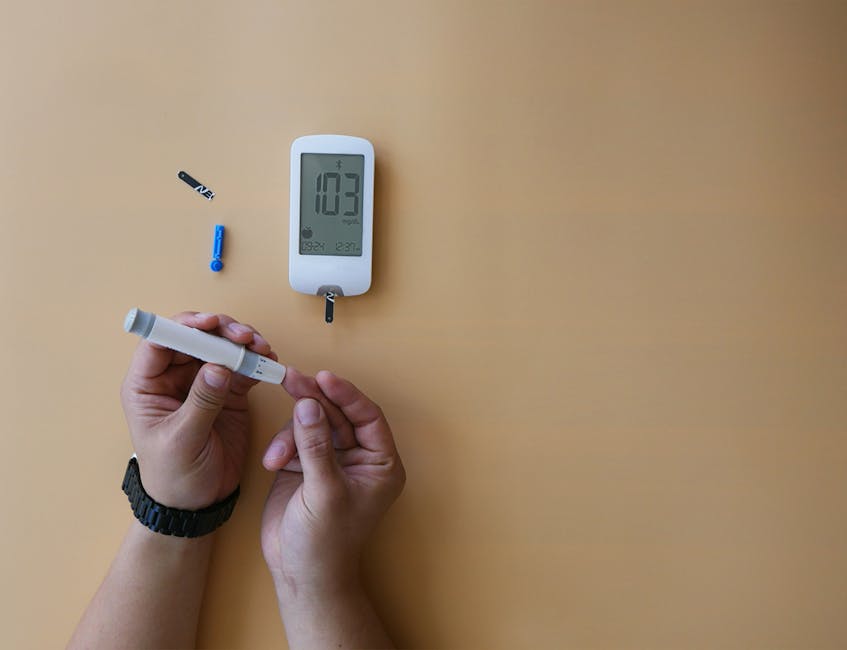
Don’t rely on fasting glucose alone. A single fasting blood glucose reading doesn’t tell you much about dawn phenomenon severity. Instead, measure your glucose over 3-5 consecutive mornings at the same time (ideally before eating).
Better yet: use a continuous glucose monitor (CGM) for 2 weeks. You’ll see exactly when your glucose peaks, how high it goes, and how your interventions affect it. A Freestyle Libre or Dexcom shows the pattern that a single fasting test misses entirely.
You’re also looking for fasting insulin. If it’s above 10 mIU/L, you have hepatic insulin resistance. Your interventions should reduce this to below 5 mIU/L over 8-12 weeks. That’s your signal that liver function is improving.
Some people see improvements in dawn phenomenon within 2-3 weeks of consistent sleep, morning movement, and better breakfast ordering. Others take 12 weeks because their insulin resistance is more pronounced. Consistency beats perfection here.
The Practical Starting Point
You don’t need to implement everything at once. Start here:
Week 1-2: Fix sleep. Consistent bedtime and wake time. That’s it.
Week 3-4: Add morning movement (2-3 minute walk). And reorder your breakfast (protein + fat first).
Week 5+: If you’re still seeing elevated fasting glucose, add inositol or berberine, and consider measuring fasting insulin to assess liver function.
This progression works because you’re fixing the foundational issues first (sleep, circadian rhythm, insulin sensitivity) before adding supplements. Most people see noticeable improvements in how they feel before they see dramatic changes in glucose numbers. That’s normal.
Dawn phenomenon is stubborn, but it’s not permanent. It reflects your current metabolic state, not your destiny. Change your metabolic state, and it changes with you.
This article is for informational purposes only and does not replace professional medical advice. Always consult a qualified healthcare provider before making health-related decisions.