Why Your Muscles Are Your Metabolic Buffer
Your muscles aren’t just for looking good. They’re metabolic organs that act as a glucose sink—basically a storage tank for blood sugar. When you have more muscle mass, you have more capacity to pull glucose from your bloodstream without requiring insulin to work overtime. This is fundamental to metabolic health.
Here’s the problem: most people focus on cardio or diet alone when dealing with blood sugar issues. They miss the fact that muscle tissue is insulin-sensitive, while fat tissue is resistant. Building muscle literally rewires how your body handles glucose.
The research backs this up. A 2019 meta-analysis in Diabetes Care found that resistance training improved insulin sensitivity by approximately 25% after just 8-12 weeks, independent of weight loss. You don’t have to shed pounds to see metabolic improvements. You have to build muscle.
How Muscle Contraction Regulates Blood Sugar (Without Insulin)
This is where it gets interesting. When you contract muscles during strength training, glucose uptake happens through a mechanism called AMPK activation. Unlike insulin-dependent glucose transport, muscle contraction-induced glucose uptake works through the GLUT4 transporter independently of insulin signaling.
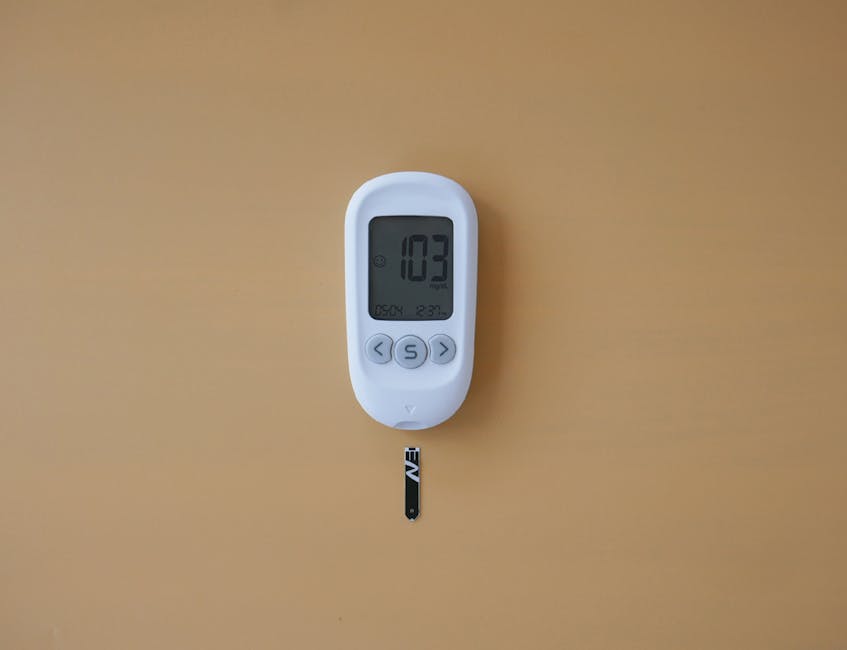
Translation: your muscles pull glucose from the blood during and after training regardless of your insulin levels. This is especially valuable if you’re insulin resistant.
The effect is immediate and lasts for hours. One study from the American Journal of Physiology showed that a single bout of resistance exercise improved insulin sensitivity for up to 24 hours post-workout. Do that three times per week, and you’ve got sustained metabolic improvement.
There’s also the glycogen repletion effect. Your muscles store carbohydrates as glycogen. When you train hard, you deplete these stores. Your body then prioritizes refilling them, which reduces blood sugar elevation after meals. This is why people who strength train can actually tolerate carbs better—their muscles are hungry for glucose.
The Muscle-Building Protocol That Actually Works
You don’t need to look like a bodybuilder to get metabolic benefits. In fact, moderate resistance training beats extreme approaches for consistency and sustainability.
Frequency and Volume
Aim for 3-4 resistance sessions per week. Each session should target major muscle groups: legs, chest, back, and shoulders. Why? Because large muscles (quads, glutes, back) contain the most glucose-storage capacity. Training them provides the biggest metabolic bang.
A typical effective protocol:
- Monday: Lower body (squats, deadlifts, lunges)
- Wednesday: Upper body push (chest, shoulders, triceps)
- Friday: Upper body pull (back, biceps)
- Saturday (optional): Full-body compound lifts
Volume should be moderate: 3-4 sets per exercise, 8-12 reps per set. You’re aiming for mechanical tension and muscle damage, not maximal strength or hypertrophy at extreme volumes. That’s just extra recovery burden.
Intensity Matters
But here’s the catch: you need to actually challenge your muscles. Using 5-pound dumbbells won’t cut it. Your sets should approach muscular fatigue. The last 2-3 reps should feel difficult. This is what triggers metabolic adaptation and glucose utilization improvements.
A 2022 study in Sports Medicine found that resistance exercise at 60-70% of one-rep max produced superior insulin sensitivity improvements compared to lighter loads. You don’t need to max out, but you can’t phone it in either.
Rest and Recovery
Between sessions, take at least one day. Your muscles build during recovery, not during the workout. Skipping rest days won’t speed up progress—it’ll stall it. Aim for 7-9 hours of sleep. Muscle protein synthesis peaks during deep sleep, and poor sleep impairs glucose metabolism anyway.
Comparing Strength Training to Other Metabolic Interventions
| Intervention | Insulin Sensitivity Improvement | Time to Effect | Sustainability | Additional Benefits |
|---|---|---|---|---|
| Resistance Training (3x/week) | 25-30% in 8-12 weeks | 24 hours after first session | High (builds habit) | Strength, bone density, muscle mass |
| Aerobic Exercise (LISS) | 15-20% in 12 weeks | 2-3 weeks | Medium (monotonous) | Cardiovascular health, endurance |
| HIIT | 20-25% in 8-12 weeks | 1-2 weeks | Low (high burnout) | Time-efficient, VO2 max |
| Dietary Carb Restriction | 20-35% in 4-8 weeks | 1-2 weeks | Medium (adherence issues) | Rapid initial weight loss |
| GLP-1 Agonists | 30-40% in 4-12 weeks | 1-2 weeks | High (pharmaceutical) | Weight loss, reduced appetite |
Notice resistance training ranks high on both effectiveness and sustainability. It’s not flashy like HIIT, but it’s reliable and compounds over time.
Practical Implementation Without Overthinking It
You don’t need fancy equipment. A gym membership is convenient, but you can build muscle at home with a barbell and rack, or even with resistance bands and bodyweight if necessary. The key is progressive overload—gradually increasing weight or reps over weeks.
Start simple. Pick compound movements that work multiple muscle groups:
- Squats or leg press
- Deadlifts or Romanian deadlifts
- Bench press or push-ups
- Rows or pull-ups
- Overhead press
Track your workouts. Write down weights, reps, and how you felt. This takes 30 seconds and makes the difference between progress and stagnation. You don’t need an app—a notebook works.
And be honest about intensity. If you’re not slightly sore the next day or struggling on the final reps, you’re not working hard enough. Metabolic adaptations require stimulus.
The Synergy With Diet and Supplements
Strength training works best alongside reasonable nutrition. You don’t need to be perfect, but protein intake matters. Aim for 0.7-1g per pound of bodyweight on training days. This supports muscle protein synthesis and keeps you full longer.
Timing carbs around your workouts is useful but not magic. A meal containing carbs and protein within 1-2 hours post-workout helps glycogen repletion and recovery. Otherwise, just eat normally.
Supplements are secondary, but a few are backed by evidence for metabolic health:
- Creatine monohydrate: 5g daily improves muscle energy production and supports glucose handling
- Magnesium glycinate: 400-500mg daily supports insulin sensitivity (most people are deficient)
- Berberine: 500mg 2-3x daily mimics metformin’s effects on glucose metabolism
None of these replace training. They’re optimizations around a solid foundation of resistance work.
Common Mistakes That Kill Progress
Too many people sabotage themselves with poor execution.
Mistake 1: Inconsistency. Training once or twice per week isn’t enough stimulus. Your muscles adapt and forget if you don’t maintain frequency. Consistency beats intensity when forced to choose.
Mistake 2: Underloading. Picking weights that are too light creates zero adaptation stimulus. Your muscles don’t change unless you demand they do. Progressive overload is non-negotiable.
Mistake 3: Ignoring recovery. Training hard without sleep and stress management creates a catabolic state. You break down muscle instead of building it. Training is the signal; recovery is when the adaptation happens.
Mistake 4: Adding cardio too aggressively. Some cardio is fine, but excessive aerobic work creates energy deficit that eats into muscle gains. If your goal is metabolic health through muscle-building, resistance should be primary.
How Long Until You See Results
Metabolically, the improvements start immediately. After your first session, your muscles are more insulin-sensitive for 24 hours. But measurable changes in blood glucose regulation take time.
Expect to see:
- Week 2-3: Improved energy, reduced afternoon crashes, better sleep
- Week 4-6: Visible strength improvements, mood elevation
- Week 8-12: Measurable improvements in fasting glucose and insulin levels (run labs to confirm)
- 3-6 months: Significant body recomposition, sustained metabolic improvements
This assumes you’re actually training hard and recovering properly. Casual training produces casual results.
The Real Win
The biggest benefit of resistance training for metabolic health isn’t just blood sugar control. It’s that you build a body that’s resilient. You gain the capacity to handle carbs without spiking. You become metabolically flexible. You sleep better, think clearer, and have more energy throughout the day.
And unlike restrictive diets, this approach doesn’t require willpower or deprivation. You’re building something—not restricting. That’s sustainable long-term.
Start with three sessions per week. Pick compound movements. Push yourself on the last few reps. Get your sleep. Track progress. That’s it. After 12 weeks, retest your glucose markers. You’ll see the difference.